
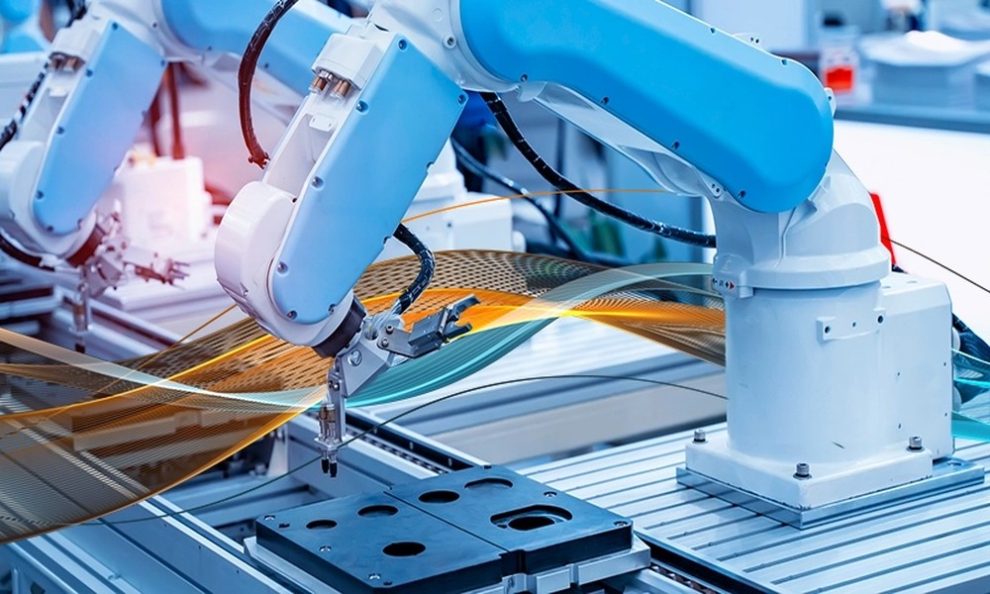

Managing a warehouse or manufacturing facility involves ensuring that production lines operate efficiently with minimal interruptions. Downtime can lead to lost revenue, delayed shipments, and increased operational costs. Implementing automation strategically offers a way to reduce downtime and maintain consistent throughput without requiring extensive manual oversight.
Understanding the Sources of Downtime
Before introducing automation, it’s important to identify common causes of downtime. Equipment failure, operator errors, material handling delays, and inefficient scheduling can all contribute. Recognizing these factors allows managers to target solutions effectively and prioritize where automation will have the greatest impact.
Load centers play a critical role in maintaining continuous operations. By ensuring electrical distribution is reliable and monitored, load centers help prevent power interruptions that could halt production. Integrating automation with load center monitoring ensures that any anomalies are detected early, reducing the risk of unplanned downtime.
Predictive Maintenance and Automation
Automated systems can be combined with predictive maintenance strategies to prevent equipment failures before they occur. Sensors monitor conditions such as vibration, temperature, and operational cycles. Data is analyzed in real-time to predict potential malfunctions.
When a potential issue is detected, alerts can be sent to maintenance teams, allowing intervention before a breakdown affects the production line. This proactive approach minimizes downtime and supports energy-efficient operation.
Optimizing Material Handling
Automated material handling systems, including conveyors, sorters, and automated guided vehicles, reduce bottlenecks and maintain a steady flow of materials through the production line. By coordinating these systems with production schedules, managers can ensure that resources are delivered where and when they are needed, preventing delays.
Integration with load centers and monitoring systems allows facilities to track energy use and load distribution across material handling equipment. This ensures that equipment operates efficiently without overloading circuits or causing unexpected interruptions.
Streamlining Workflow Through Control Systems
Automation can coordinate multiple stages of the production line to minimize idle time. Control systems monitor process performance, adjust machine speeds, and balance workloads to maintain continuous operation.
For example, if one station experiences a temporary slowdown, automated controls can adjust upstream or downstream processes to compensate. This flexibility reduces bottlenecks and keeps the overall line running smoothly.
Reducing Human Error
Manual processes are prone to error, which can lead to downtime. Automation reduces reliance on operator intervention for repetitive or high-precision tasks. Automated inspection systems, robotic handling, and programmed machine sequences ensure consistent output and reduce the likelihood of mistakes that could halt production.
Training staff to monitor and manage automated systems rather than performing manual adjustments allows employees to focus on problem-solving and oversight, further enhancing operational reliability.
Monitoring and Analytics
Real-time monitoring is key to maintaining efficiency. Dashboards that display machine performance, energy consumption, and production metrics allow managers to detect anomalies early. Automated alerts can notify teams of deviations from expected operation.
Integrating load center monitoring into these systems provides insight into electrical health and distribution. Managers can address overloading, imbalances, or faults before they affect the production line, reducing both downtime and energy waste.
Implementing Automation in Phases
Rolling out automation incrementally allows teams to adjust processes gradually. Initial deployments may focus on high-impact areas, such as critical machines or bottleneck stations. As staff become familiar with automated systems, additional areas can be integrated, creating consistent improvements without overwhelming personnel.
This phased approach also provides measurable results at each stage, helping justify further investment and guiding ongoing optimization.
Continuous Improvement
Automation is most effective when paired with continuous improvement practices. Regularly reviewing system performance, downtime incidents, and energy usage provides insight into areas that can be further optimized. Adjustments to automation logic, maintenance schedules, or equipment placement can reduce inefficiencies and maintain consistent production flow.
Achieving Reliable Production Through Automation
By strategically implementing automation, warehouse and facility managers can reduce downtime, optimize material handling, and improve overall efficiency. Combining predictive maintenance, real-time monitoring, and automated workflow coordination with load center oversight ensures that production lines remain reliable and energy use is managed effectively. The result is a more resilient operation that supports business goals and customer satisfaction.


