
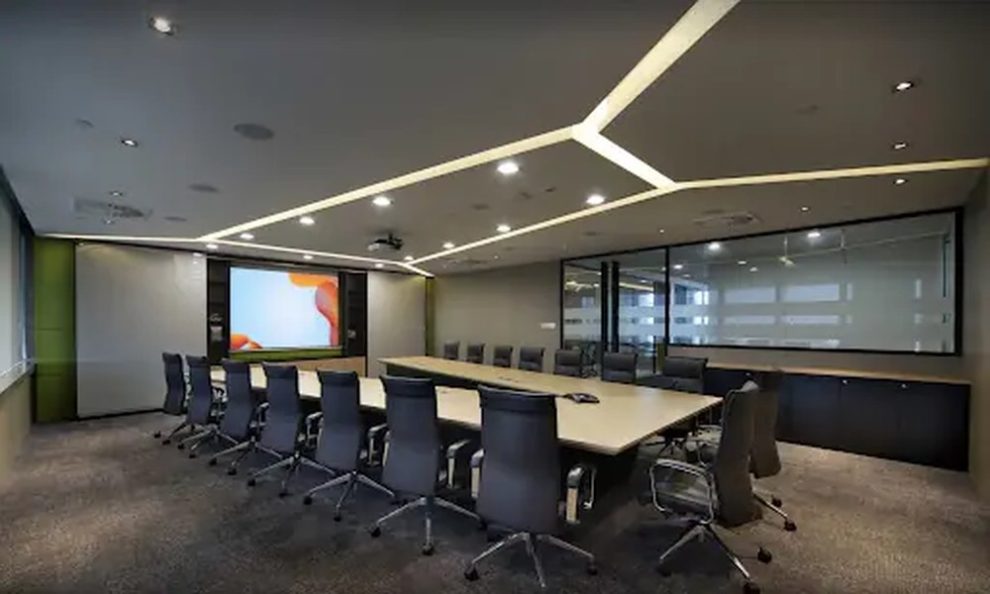

Conference room and training facility visual display infrastructure directly affects the quality of presentations, workshops, and collaborative sessions conducted in these spaces. Display product specifications that are adequate for periodic use may prove limiting in high-frequency conference room environments where display surfaces are used multiple times daily by different presenters.
Training facilities present particularly intensive display requirements because facilitated learning sessions require frequent whiteboard use by both facilitators and participants, creating surface wear conditions that reveal quality differences between display surface tiers within the first year of service.
What Porcelain Steel Surfaces Provide in High-Use Environments
Porcelain steel whiteboard surfaces, produced by fusing a porcelain coating to a steel substrate at high temperature, provide a hardness and non-porosity that resists the staining, shadowing, and marker residue accumulation that reduces melamine board effectiveness within months of intensive use. Porcelain steel surfaces that are properly maintained can serve at full visual quality for 20 or more years in intensive conference room applications.
The magnetic capability of porcelain steel surfaces adds a document display function that dry-erase-only boards cannot provide. Magnetic display is particularly useful in training environments where reference materials, participant work products, and visual aids need to be temporarily displayed without puncturing surfaces or using adhesive products.
How Combination Board Systems Serve Multi-Function Presentation Needs
Combination boards incorporating both dry-erase whiteboard and tackboard sections in a single frame system provide the flexibility to display both written content and posted materials in the same visual field, eliminating the need for separate adjacent board installations. Specifying presentation boards and display systems with combination configurations coordinated to the specific width and height dimensions of conference room walls ensures that the display system makes full use of available wall surface area without leaving awkward edge conditions.
What Mobile and Freestanding Display Options Provide
Mobile whiteboard and display stands allow visual display infrastructure to be repositioned as room configuration changes, supporting the flexible workspace arrangements that modern conference and training facilities are increasingly designed to accommodate. Mobile stands must be evaluated for stability, easy relocation, and compatibility with the display surfaces they support.
How Projection Integration Affects Display Surface Specification
Conference rooms and training facilities with integrated projection systems require display surfaces compatible with projected image viewing, which affects finish selection and placement. Projection-compatible whiteboards with slightly lower-gloss finishes in the projection zone reduce hotspot interference while maintaining dry-erase performance.
Conference room and training facility visual display specifications should reflect the intensity of use these environments experience and the multiple communication functions that a single installation must serve. Porcelain steel surfaces, appropriate sizing for the wall and room configuration, and compatibility with other communication technologies are the key specification variables for high-performance presentation environments.


