
Social skills are one of the strongest predictors of long-term success and wellbeing, yet they receive relatively little explicit attention in most educational frameworks. Children who can communicate clearly, read social situations accurately, manage conflict constructively, and build genuine friendships are better placed across every dimension of adult life – in their careers, their relationships, and their mental health.
Social Skills Are Learnt, Not Inherited
It is a common misconception that some children are simply ‘good with people’ and others are not, as if social intelligence were a fixed trait distributed at birth. In reality, social skills are developed through practice and experience, just like academic skills. Children who are given regular, supported opportunities to interact with a range of peers, navigate real social challenges, and reflect on how they engage with others develop stronger social skills than those who are either isolated or over-directed in their social lives.
The Role of Emotional Literacy
Strong social skills are built on a foundation of emotional literacy – the ability to name, understand, and manage one’s own emotions, and to read the emotional states of others. Children who have a rich vocabulary for emotions, and who have been helped to understand their own emotional responses, are significantly more adept at navigating complex social situations.
This is something that begins in the family. Regular conversations about feelings, responses to conflict that model self-regulation rather than reactive behaviour, and genuine curiosity about how others are feeling all contribute to the development of emotional literacy over time.
Schools as Social Laboratories
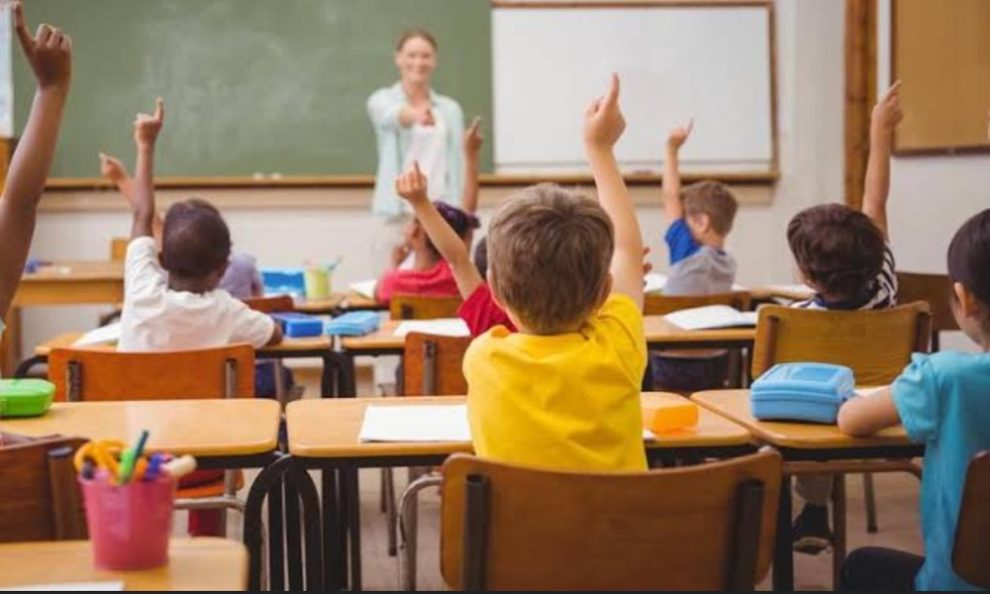
School is, among many other things, an extended social laboratory. The daily experience of navigating friendships, group work, competition, inclusion and exclusion, authority, and peer pressure provides an extraordinarily rich context for social development. Schools that actively support this development – through PSHE programmes, restorative approaches to conflict, and genuine pastoral care – multiply the value of this natural social curriculum.
Royal Grammar School Guildford creates the conditions for outstanding social and academic development. Visit https://www.rgsg.co.uk/ to explore the school.